The first thing you notice when you arrive at the Palace of Arts and Culture as an event venue is the countless city employees who are tirelessly busy keeping the place clean and orderly. After all, they want to present themselves as the perfect hosts for this important international conference. This includes watering the green belts along the kilometer-long coastline every day, as well as cleaning the beautiful sandy beach. It’s no easy task, but they manage it.
However, when the wind blows from the north, plastic waste is washed ashore from the sea. Tangier neither asked for this nor was it consulted. It’s also not easy to determine who is responsible for the marine pollution. Perhaps the international community? Or perhaps no one—which, in the end, amounts to the same thing.
This brings us to the central theme of the World Congress. After all, plastic waste is just one of the challenges that cities like Tangier face. There are many others, and perhaps it is worth recalling them here. Among the problems in our cities are homelessness, a lack of affordable housing, inadequate technical infrastructure, food insecurity, unequal access to health care, gentrification, precarious jobs and working conditions, environmental injustice, water scarcity and inadequate sanitation, forced displacement, discrimination, limited access to services, polarization, violence, and the fragmentation of communities. Cities are overwhelmed by this situation and, in a sense, are being left to cope on their own.
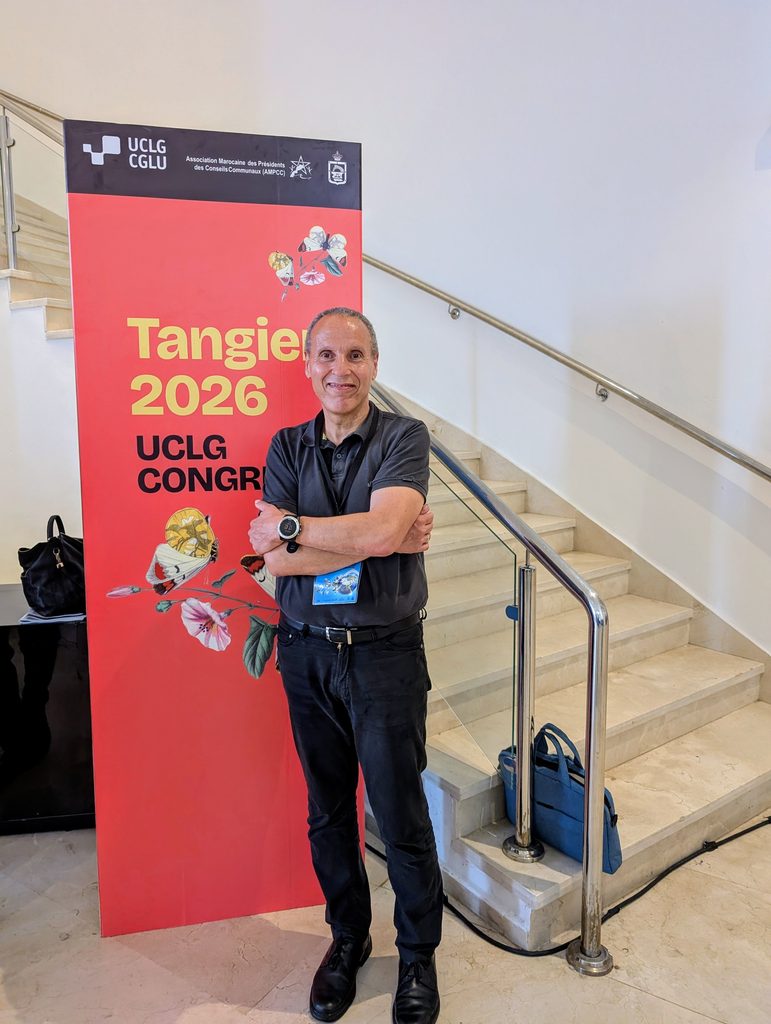
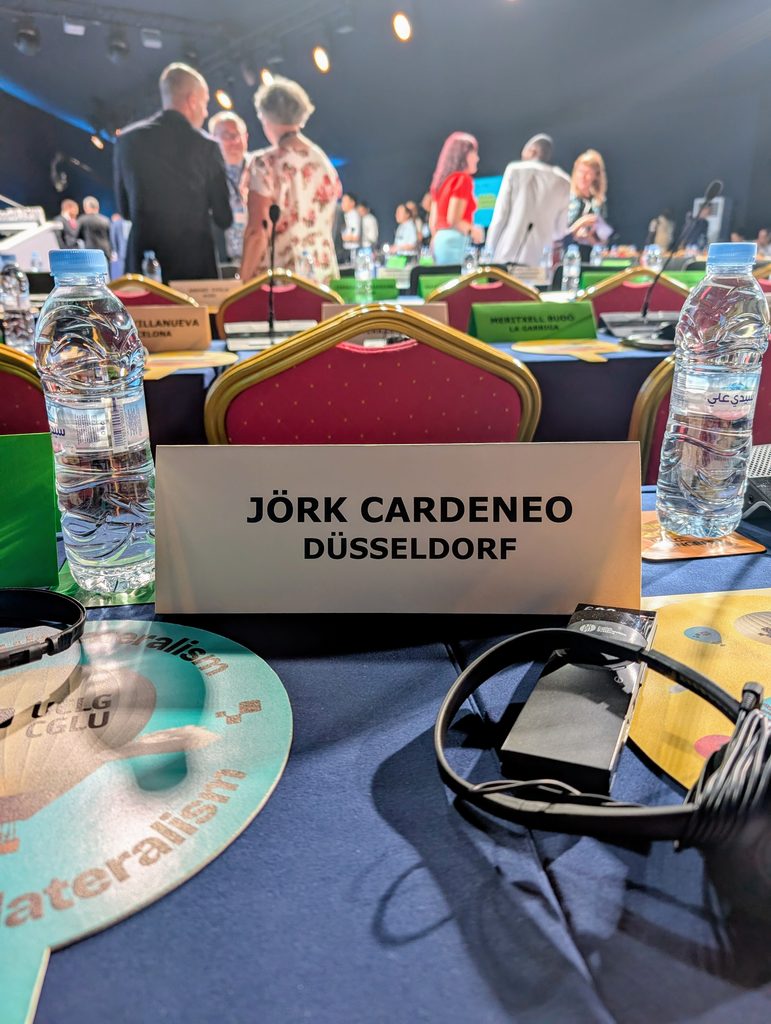
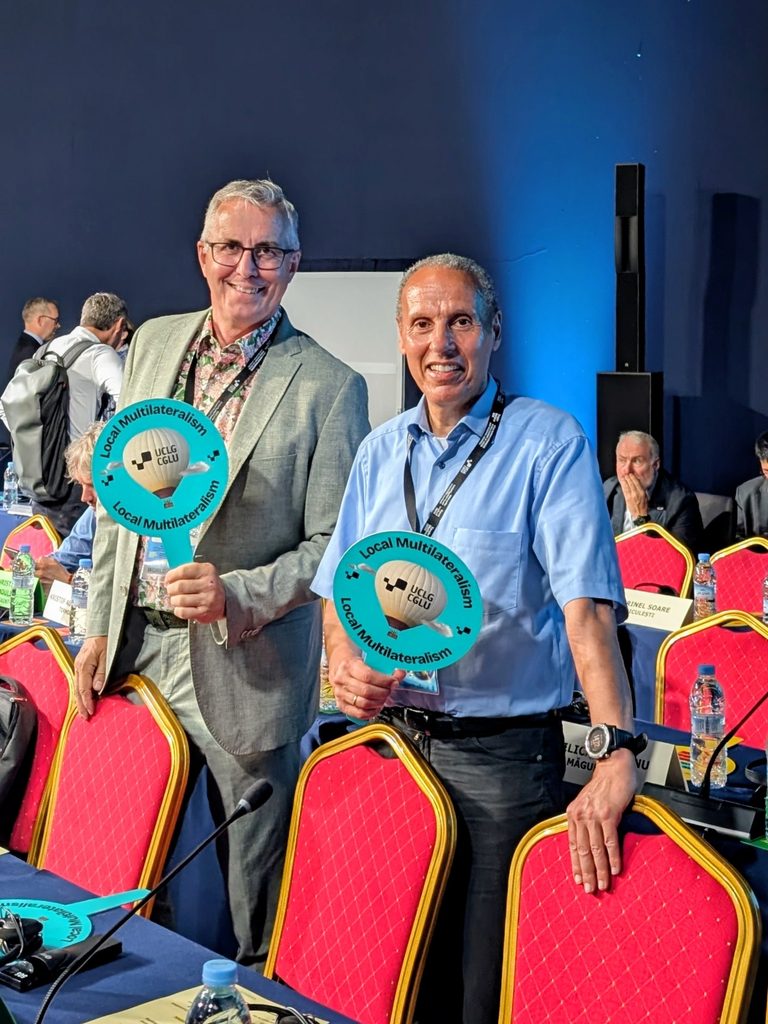
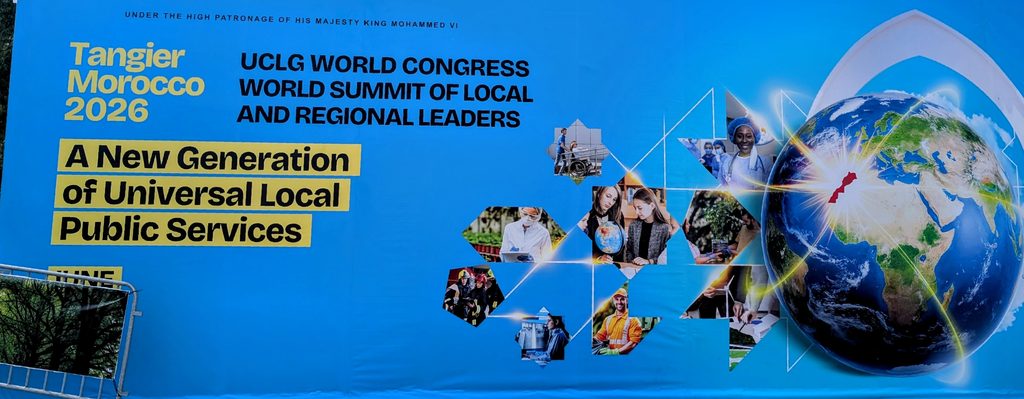
During the five days—filled with presentations, workshops, votes, and in-depth discussions with people from every continent—many of these issues were addressed in depth. As the most important democratic event for cities, regions, and their associations, the UCLG Congress and the World Summit of Local and Regional Leaders serve as the ideal platform for representing the interests of cities before international institutions. In my view, there were three key lines of discussion: First, there were calls for adequate funding to carry out the most important tasks. Second, there were demands for local self-government. And last but not least, there was a desire for effective cooperation among cities in the search for common solutions and best practices.
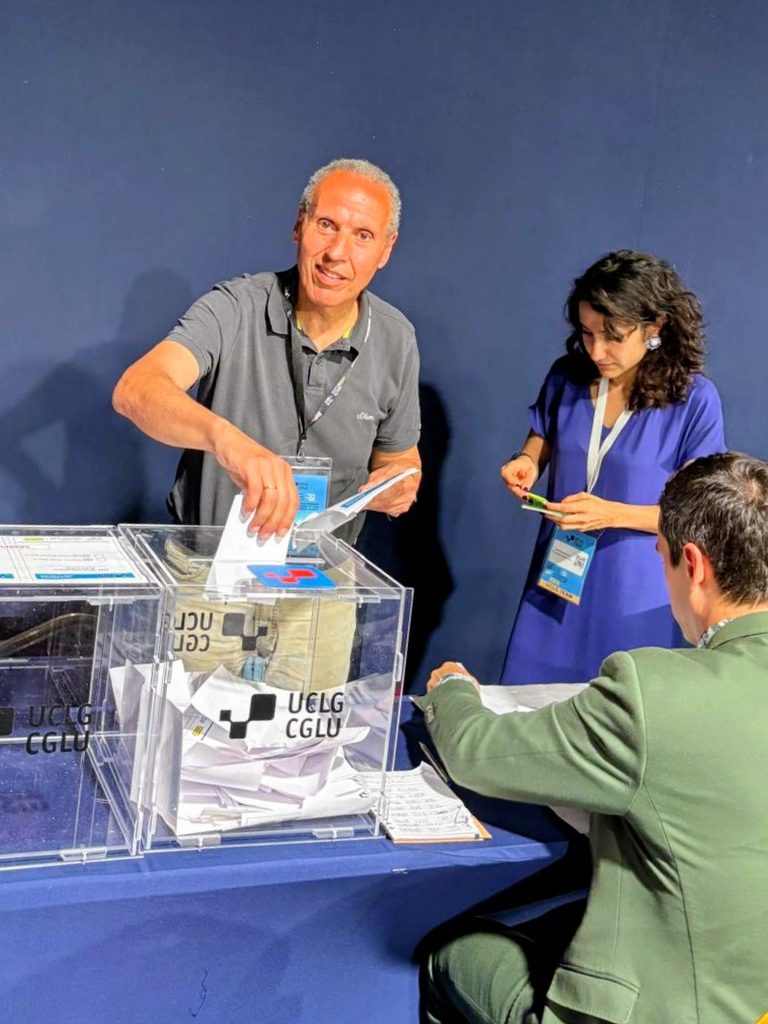
This inaugural event certainly set the course for the next three years of the term. From the European delegation’s perspective, the election was disappointing. We were unable to secure the election of our preferred candidate for the presidency, Clara Brugada, mayor of Mexico City. Furthermore, all five elected co-presidents are men. This is completely at odds with UCLG’s own standards for gender equality. For us European delegates, this means we must prepare more thoroughly for the next elections in advance by engaging in discussions with colleagues from Africa and Latin America. After all, we defend European values and goals such as democracy, equality, freedom, the rule of law, and human rights. And for us, these are non-negotiable.
Europe’s Contribution to the Social Covenant
Under the title “From Local Action to Global Impact: Europe’s Contribution to the Social Covenant,” the European caucus group from CEMR met to exchange strategic ideas and coordinate common positions for the upcoming sessions.
Urban Challenges and Financial Capacity for Action
The situation is clear: Climate change is profoundly altering our world, and this is particularly evident in cities. It is accelerating migration to urban areas, thereby intensifying a number of key challenges: There is a shortage of affordable housing, and technical infrastructure is reaching its limits—from road construction to efficient public transit and modern mobility solutions.
To tackle these challenges and strengthen citizens’ trust in government action, adequate financial resources for cities are essential. It remains equally important to strengthen local and regional self-governance. For it is precisely here, at the local level, that the success of political measures is determined. The key role of cities as engines of innovation and centers of transformation—whether in digitalization, climate protection, or the mobility transition—must finally be given the recognition it deserves.
Values as a Foundation and International Perspectives
The European Group within the World Organization of Local Authorities (UCLG) emphatically stressed that shared values such as democracy, inclusion, gender equality, and equal participation form the non-negotiable foundation for all future developments and decisions.
Reports from local elected officials Shona Morrisson (President of the Scottish Association of Local Authorities, COSLA), Marta Prates (Mayor of Reguengos de Monsaraz), and Tiit Terik (City Council member in Tallinn), who shared their local experiences and priorities, demonstrated how these principles are reflected in practice. It became clear that, despite national differences, the challenges are very similar everywhere.
André Viola (member of the General Council of Aude, France) focused on necessary measures for climate adaptation, while Eider Inuntziaga (Bilbao) highlighted the alarming increase in attacks on elected officials—especially women. In this context, she welcomed the establishment of the “European Observatory for the Defense of Democracy”. This platform documents and analyzes such attacks to create a reliable database for countermeasures.
In closing, Ursula Sautter urged the European delegates not to waver in their commitment to gender-equitable participation. Even though there have been setbacks, she noted, much has already been achieved—though full equality is still a long way off. Her incisive and humorous remarks provided a compelling impetus that met with broad approval in the plenary session.
German-Moroccan Cooperation
On the sidelines of the UCLG Congress in Tangier, an opportunity arose for an informal but high-level meeting: Sabine Drees represented the German Association of Cities (DST) in discussions with the Moroccan Association of Cities and Municipalities (AMPCC). The Moroccan representatives spoke out very clearly in favor of closer cooperation—not only at the association level, but explicitly in the form of direct partnerships between cities in both countries.
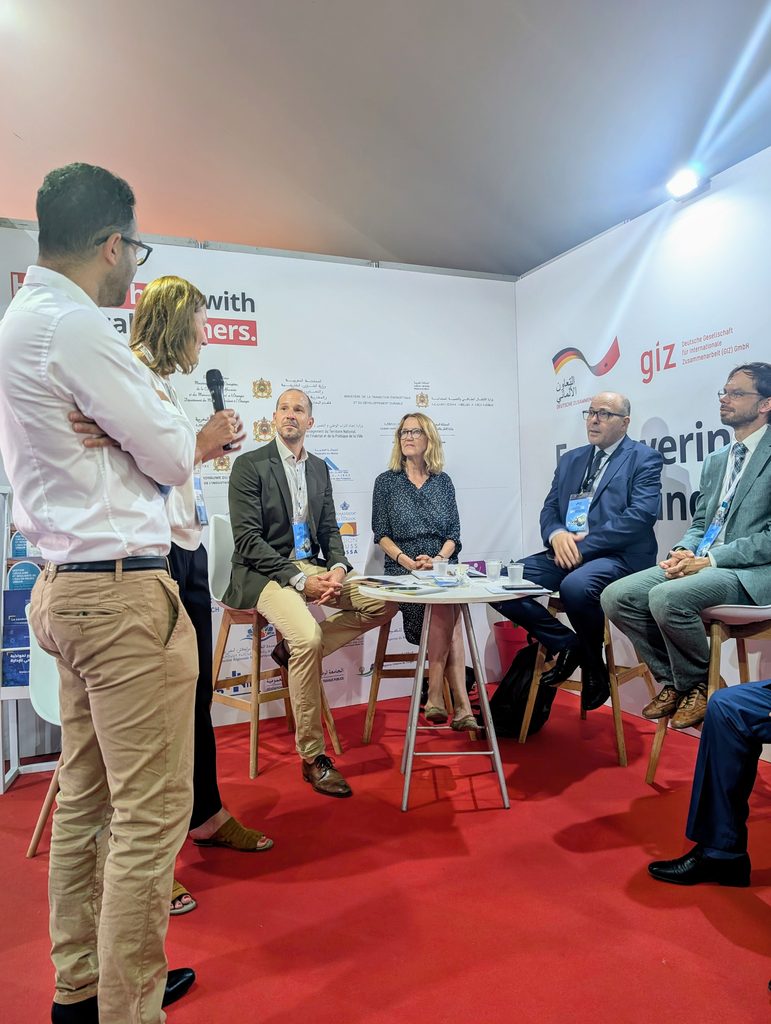
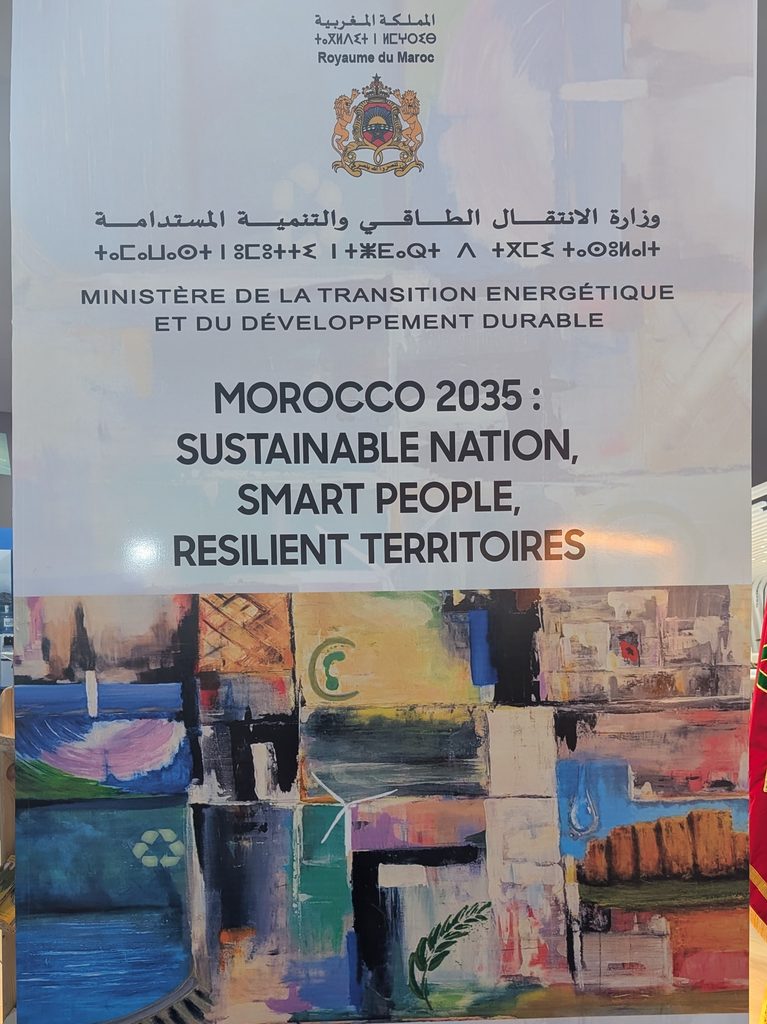
The Moroccan delegation’s argument was sound: Since cities and municipalities are closest to people’s everyday lives, they are also best positioned to respond effectively to global challenges such as climate change, the housing crisis, infrastructure maintenance, and citizen participation. The order of the day here is quite clear: not more bureaucracy, but closer and more effective cooperation.
When I mentioned during the discussion that Düsseldorf, too, is seeking closer cooperation with Marrakesh—which should lead to a partnership in the future—the response was overwhelming: I had a hard time stopping the association representatives from drafting the agreements right there on the spot. The association expressly emphasized its intention to support this process to the best of its ability. A declaration of intent that we are very happy to take with us.
It was an all-around successful and constructive exchange, involving, among others, Amrouch Lahcen (mayor of Argana and AMPCC member), Sabine Drees (DST), Ursula Sautter (mayor of Bonn), and Nils Huhn (GIZ).
District 11: Barcelona’s Cooperation with Palestinian Cities
The program had only allocated a small discussion corner for the presentation of this project. However, audience interest was greater than expected, so the delegates crowded together closely. This was due, on the one hand, to the strong sense of solidarity with the plight of the Palestinians that was evident at the World Congress, and on the other hand, to the fact that a truly extraordinary support project was being presented here.
For while city partnerships often amount to nothing more than declarations of intent, Barcelona proves that municipal solidarity can also be put into practice as a solid, reliable partnership. Through the “District 11” initiative, the Catalan metropolis gives Palestinian cities such as Gaza, Ramallah, and Bethlehem a strong voice and structural support within its own urban framework.
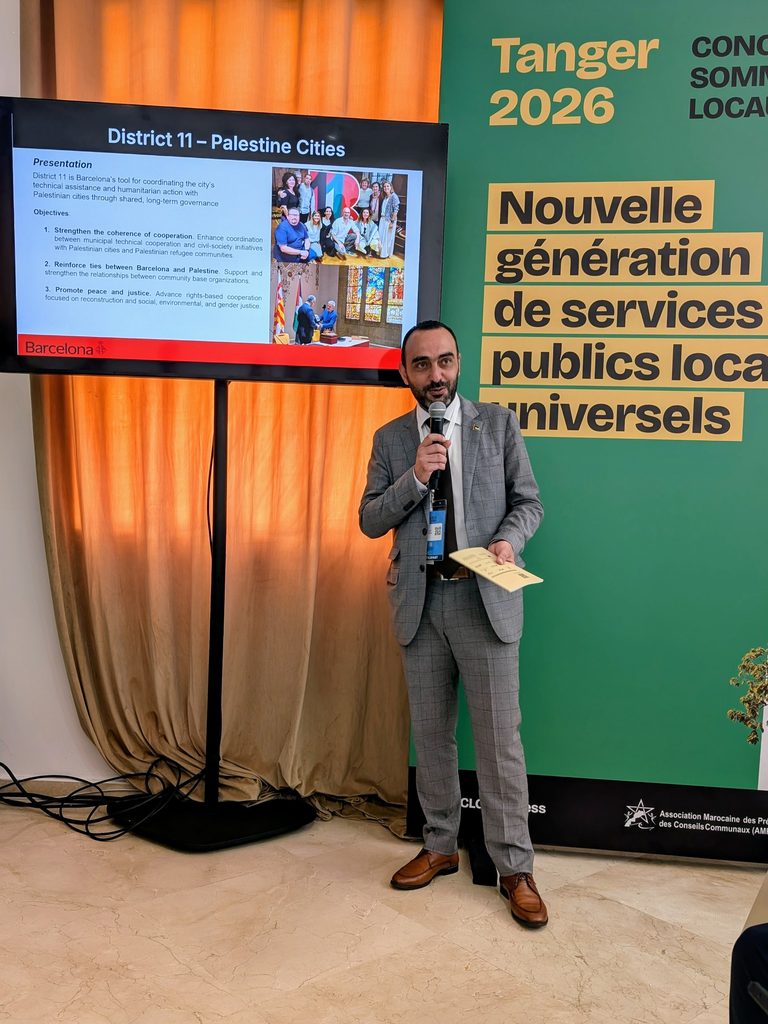
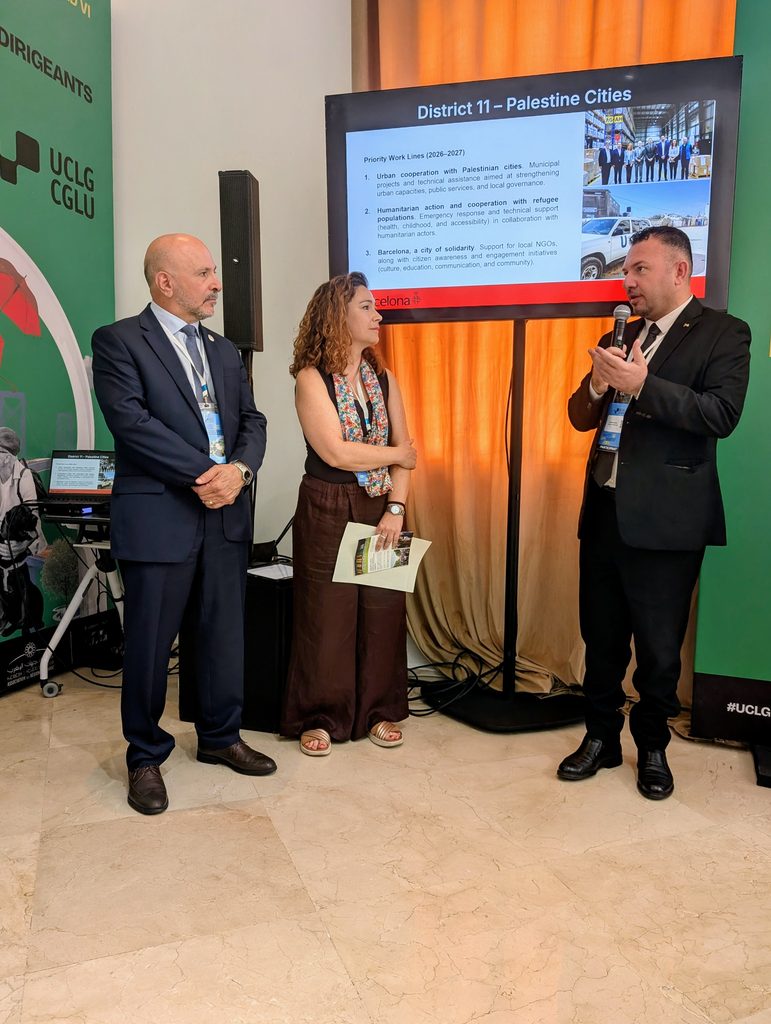
The name draws on a moving tradition: As early as the 1990s, Barcelona symbolically established an eleventh district to directly support the reconstruction of Sarajevo. This proven model is now being revived and adapted for the Middle East. The goal is a long-term partnership on equal footing rather than merely providing one-off aid.
The focus is on the exchange of expertise. Experts from Barcelona are bringing their specialized knowledge in areas such as urban planning, water management, health, and education directly to Palestinian administrations.
In doing so, Barcelona is providing concrete humanitarian aid in the here and now while laying the foundation for future reconstruction. This is a powerful example of how municipalities can assume global responsibility and tangibly improve people’s lives.
Speakers: Abdallah Anati, Executive Director at the Association of Palestinian Local Authorities (APLA) | Mr. Ahmed Abulaban, Municipal Director, Ramallah | Ms. Laura Pérez Castaño, Director General, District 11 | Mr. Antoni Montseny, Director of International Relations, Barcelona
How Cities Adopt the Best Ideas
Cities must collaborate more closely, as they face the same challenges worldwide: climate change, digitalization, housing shortages, migration, and much more. All of this falls on local governments that are often inadequately resourced, both financially and in terms of personnel.
There was widespread agreement on this observation worldwide, which is why the idea that cities should cooperate with one another is obvious—indeed, downright imperative. In Germany, there are already countless platforms at the national and state levels offering ideas and best-practice examples that any municipality can use and adopt—or so the plan goes.
But as is often the case: “All theory is gray, my friend,” as Goethe put it. In practice, it quickly becomes apparent that the appealing notion that projects, applications, and solutions can simply be copied leads straight to a dead end.
The same trend is evident internationally. According to a survey by the OECD and Bloomberg Philanthropies, nearly 80% of 76 cities across 43 countries have attempted to adopt an idea from another city. Yet more than half of these attempts have failed. I estimate that most attempts fail before they even get off the ground. There are many reasons for this: a lack of financial and human resources, no legal obligation to offer a service, or uncertainty about the scope of work or the success of a project.
Below are two exceptional, internationally oriented projects that address precisely this problem.
1. Toolkit on Adopting Proven Ideas in Cities
These include the “Toolkit on Adopting Proven Ideas in Cities”—a new joint project by the OECD and Bloomberg Philanthropies. This platform fills a critical gap in municipal practice. It shows cities how they can not only replicate concepts that have already been successfully tested elsewhere, but also adapt them effectively to their own context.
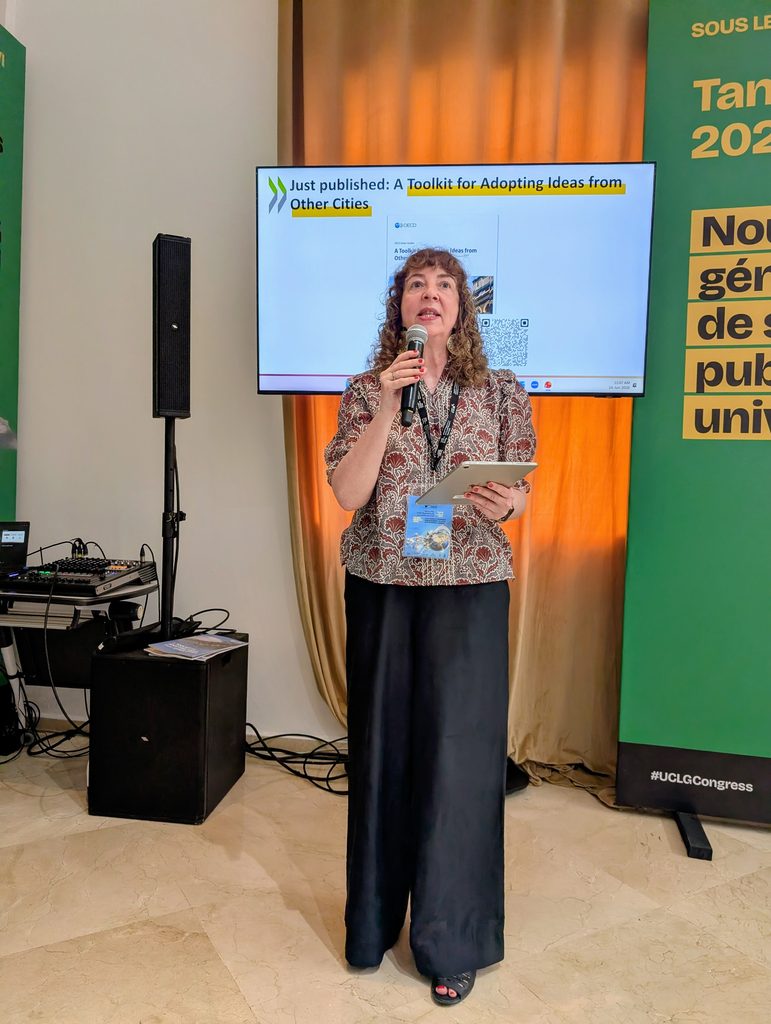
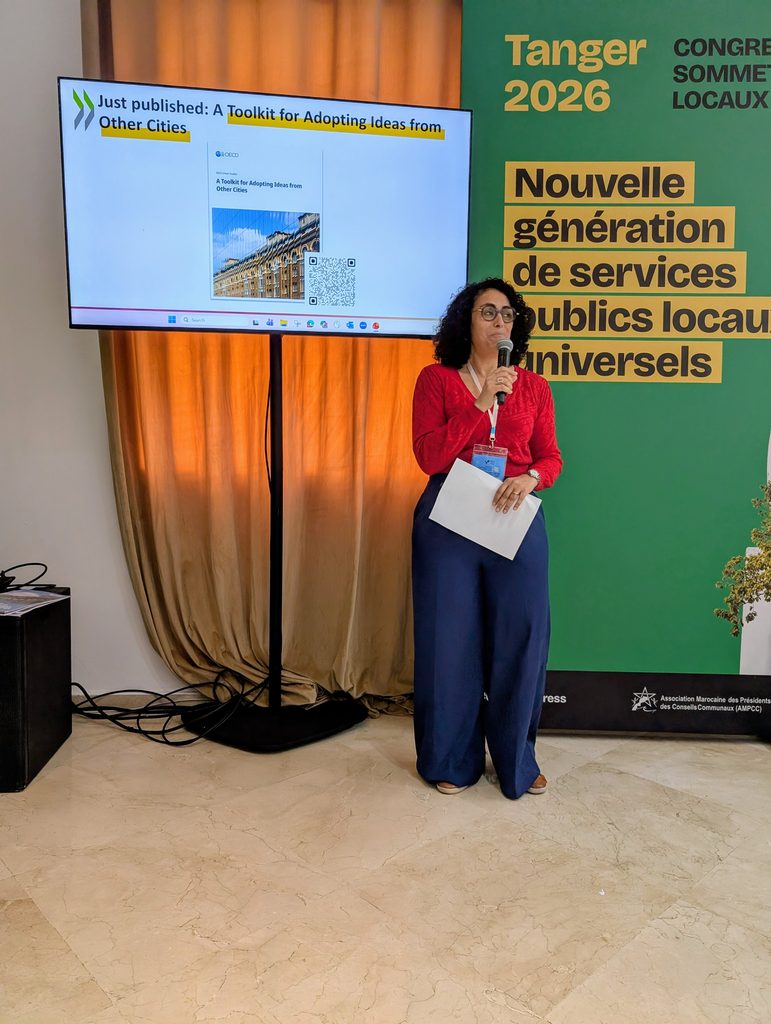
From the cities’ perspective, this toolkit is urgently needed, as the transfer of innovations often fails in practice due to bureaucratic hurdles, a lack of expertise, or the fear of failure. After all, a concept that works in a major city cannot simply be applied one-to-one to a medium-sized city. The advantages of the toolkit therefore lie in the enormous time and cost savings it offers, as well as in risk minimization. Instead of making costly mistakes, city administrations can build on data-driven, field-tested strategies. This not only boosts administrative efficiency but also leads more quickly to tangible improvements for local residents.
The strategic approach follows a clear, structured process that begins with an honest assessment of the current situation and a precise definition of the local problem. The next step involves systematic scouting—that is, identifying and analyzing best practices from other cities with similar conditions. The crucial—and often most difficult—part is the subsequent adaptation, in which the external concept is tailored to the city’s own legal, financial, and cultural conditions. Finally, the toolkit relies on step-by-step implementation through pilot projects. These are evaluated to continuously optimize the solution before it is integrated into regular city operations.
2. From Challenge to Practice: How Municipalities Turn Local Plans into Public Services
In this workshop—introduced by Sabine Drees of the German Association of Cities—participants discussed how municipalities can generally translate local development plans into effective, inclusive, and high-quality public services. Using the coastal village of Kiunga in Kenya as an example, attendees were given a clear explanation of how the process was carried out on the ground and what benefits it has brought to everyone. The problem: Water shortages and droughts had led to conflicts over scarce resources in the past. Drought, worsened by climate change, had previously led to dangerous disputes between various local groups, herders, and refugees. With the help of external partners and the transfer of expertise, a drinking water desalination plant was built, which has largely brought peace to the area.
Connective Cities—an international platform for sustainable urban development supported by the German Society for International Cooperation (GIZ) and Engagement Global / Service Agency for Local Governments in One World (SKEW)—serves as a knowledge broker and catalyst for similar projects. The bridge that “Connective Cities” builds ensures that municipal experts no longer have to go it alone, but can benefit from the best ideas from around the globe.
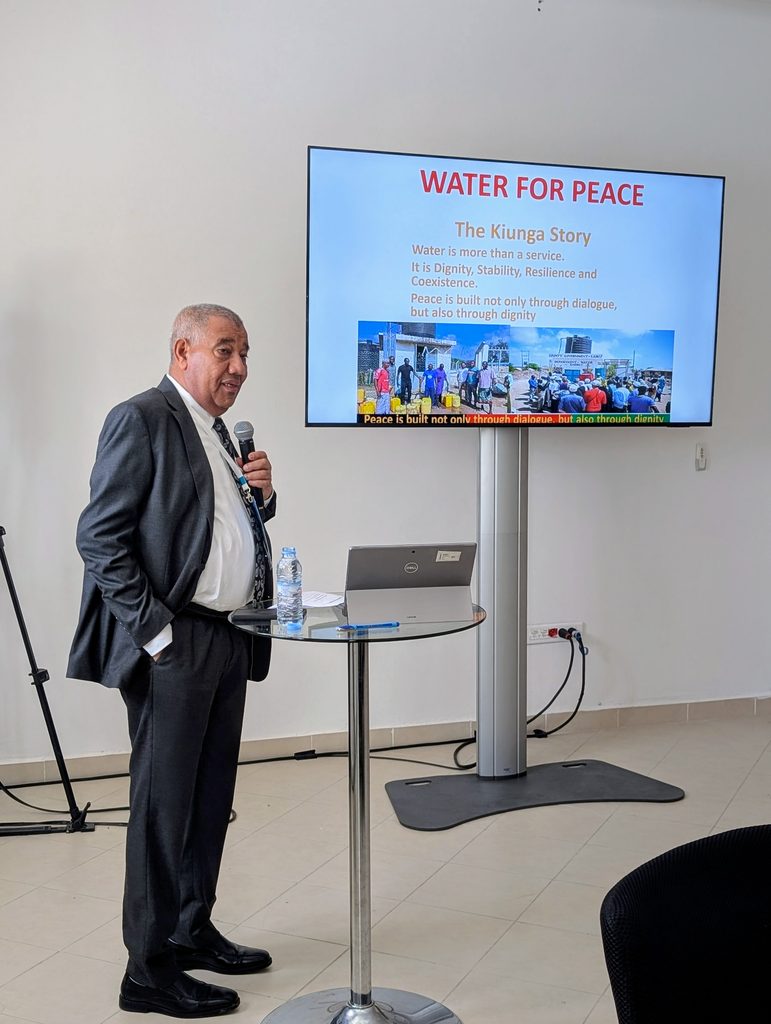
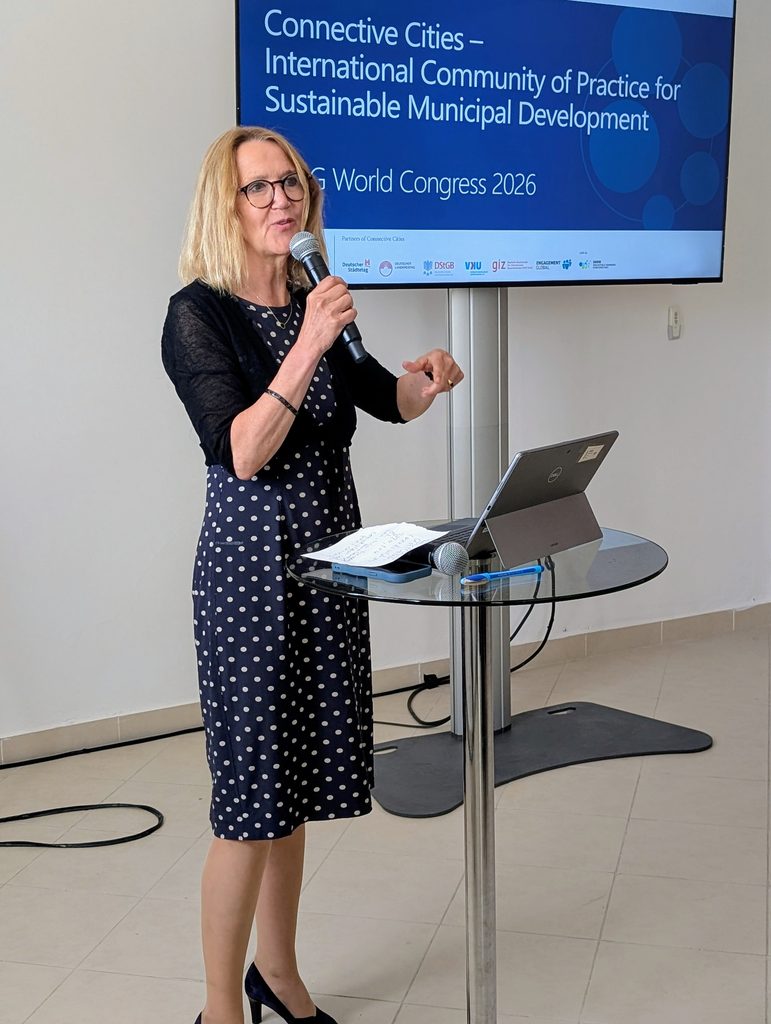
The network is backed by an alliance comprising GIZ, Engagement Global, and the German Association of Cities. Rather than offering traditional top-down consulting, Connective Cities consistently pursues a dynamic peer-to-peer approach. Local practitioners from government, politics, and business meet as equals to learn directly from one another. The focus is on modern urban planning, good governance, local economic development, and municipal services.
In agile project workshops, webinars, and study tours, cities present their very specific problems as case studies. Together with colleagues from other regions of the world who have already overcome similar hurdles, they develop tailored solutions for their home municipalities. This results in concepts that can be implemented immediately, rather than theoretical treatises. This offers municipalities invaluable advantages in their day-to-day operations. The biggest benefit is the enormous savings in time and costs: local governments can draw on a global pool of best practices instead of starting from scratch. Furthermore, looking beyond their own horizons strengthens their own professional expertise. Often, cities in the Global South in particular are valuable pioneers when it comes to digital participation or crisis management. Connective Cities demonstrates that modern local politics requires global networking to achieve the best results locally.
Conclusion
For me, it was an exceptionally intense conference, marked by many discussions and inspiring presentations and workshops. I also met incredibly motivated and dedicated participants, whose sense of mission was immediately apparent to me. Even though, from a European perspective, the elections didn’t go as we had hoped, it was still an incentive for all of us to seek even more contact with the delegates from Africa, North Africa, and Latin America. As the German delegation, we were a great team, and I was proud to be a part of it.